

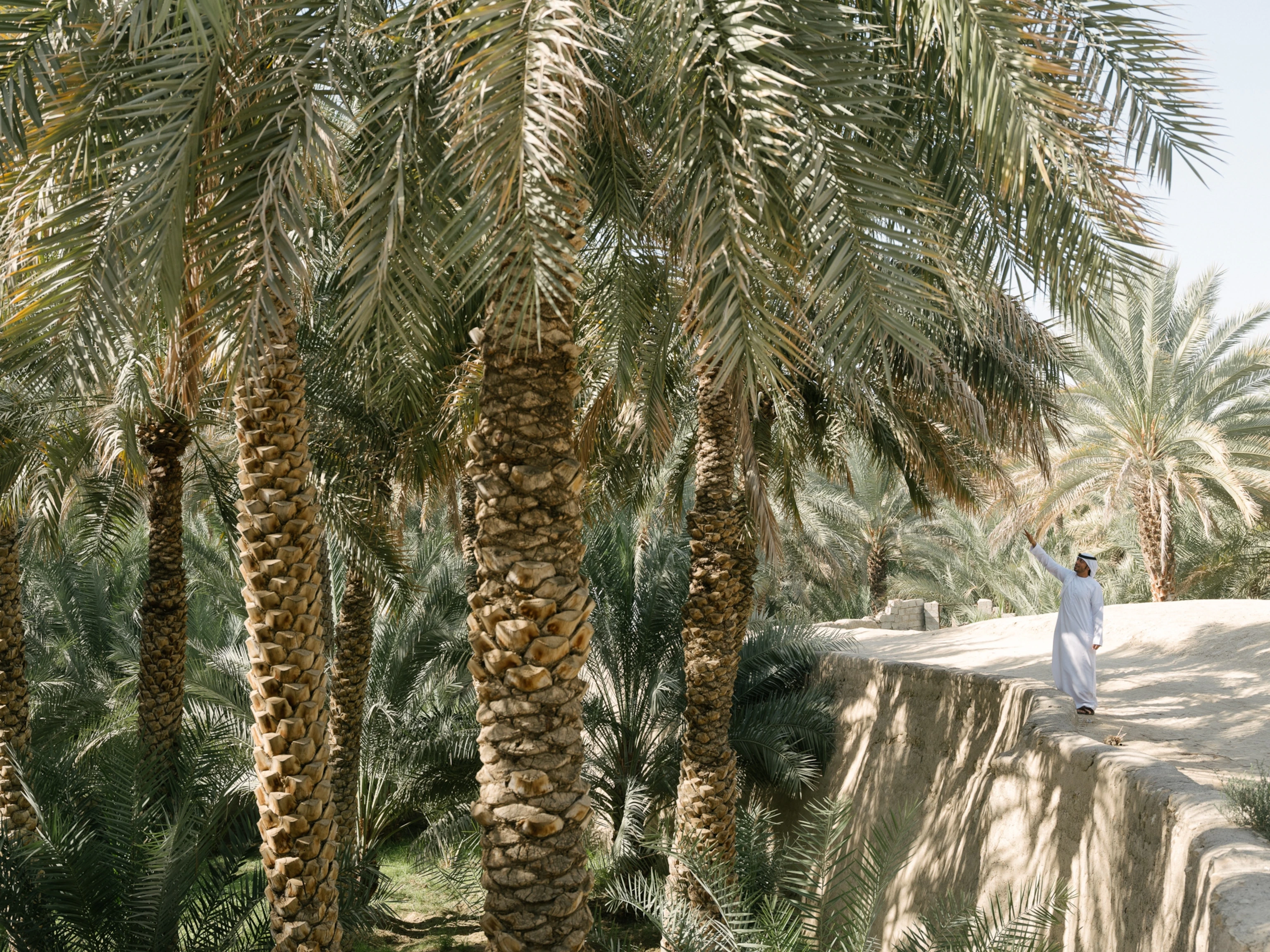
Quick answer
Al Ain sits 160 kilometers east of Abu Dhabi, a journey that takes approximately 90 minutes by car on the E30 highway. The route follows a straight, well-maintained dual carriageway across desert plains, with minimal traffic outside peak commuting hours. Most visitors find the drive straightforward, though summer temperatures can make midday departures uncomfortable without sufficient vehicle air conditioning.
Al Ain's position as the UAE's easternmost major city creates a geographic relationship with Abu Dhabi that defines much of its character. The 160-kilometer separation places the Garden City far enough inland to escape coastal humidity, yet close enough to serve as a weekend escape for capital residents seeking cooler highland air and pre-oil heritage. The E30 highway, also known as Truck Road for its role in commercial freight, forms the primary link between the two emirates. Traffic flows smoothly year-round, with congestion rare outside the 07:00–08:30 morning commute and 16:00–18:00 evening return. The landscape transitions from Abu Dhabi's coastal scrubland to the rust-colored dunes of the Rub' al Khali fringe, then rises gradually into the gravel plains surrounding Jebel Hafeet. Road signs appear in both Arabic and English, and petrol stations cluster at the halfway point near Madinat Zayed. Driving remains the most practical way to cover the distance, though public bus services operate twice daily from Al Wahda Bus Station in Abu Dhabi. The bus route follows the same E30 corridor but adds 30 minutes due to scheduled stops in smaller settlements. Rental cars provide flexibility for visitors planning to explore Al Jahili Fort, the camel market, and Jebel Hafeet's summit road, all of which lack convenient public transport connections. The distance from Abu Dhabi to Al Ain has shaped the city's identity as a distinct cultural zone rather than a suburb. That separation allowed Al Ain to preserve falaj irrigation systems, heritage architecture, and oasis agriculture long after modernization transformed the coast. For visitors, the 90-minute drive serves as a decompression corridor, a physical buffer that makes the shift from glass towers to mud-brick forts feel earned rather than abrupt.
“The 160-kilometer separation allowed Al Ain to preserve its oasis heritage while the coast modernized.”
Understanding the Al Ain Distance From Abu Dhabi and Travel Routes
Al Ain is located approximately 150 kilometers east of Abu Dhabi. The most direct approach for travelers is via the E22 highway, which connects the two cities by road.
E22 highway via Abu Dhabi-Al Ain Road
Intercity Bus E201 from Abu Dhabi Central Bus Station
E22 highway
The Best Time to Visit Al Ain After Covering the Distance From Abu Dhabi
The best arrival window is 09:00–11:00 to avoid midday heat and enjoy peak activity at heritage sites. Planning your visit for the cooler months ensures a more comfortable experience while exploring the outdoor exhibits.
November to March
ModerateMild, 20°C–28°C
Ideal conditions for walking between heritage sites and outdoor exploration.
April and October
LowWarm, 30°C–35°C
Manageable temperatures if you arrive early to avoid the afternoon peak.
May to September
LowHigh, 40°C+
Extreme heat makes outdoor activity difficult; focus on indoor venues.
Weekday mornings
Low—
Best for a quiet experience with minimal traffic and shorter wait times at popular locations.
Verdict: The concrete best slot is arriving between 09:00–11:00 on a weekday during the months of November through March.
Operating Hours for Sites in Al Ain Accessible From Abu Dhabi
Major cultural sites in Al Ain are open daily to accommodate visitors traveling from Abu Dhabi. These consistent operating hours allow for structured planning when visiting regional heritage destinations.
| Monday | 09:00–19:00 | |
|---|---|---|
| Tuesday | 09:00–19:00 | |
| Wednesday | 09:00–19:00 | |
| Thursday | 09:00–19:00 | |
| Friday | 09:00–19:00 | |
| Saturday | 09:00–19:00 | |
| Sunday | 09:00–19:00 |
Exploring Nearby Attractions After Completing the Al Ain Distance From Abu Dhabi
Extending your visit to Al Ain allows for convenient exploration of significant cultural and natural landmarks situated within the immediate region. These sites complement the historical narrative of the city and provide a broader perspective of the surrounding landscape.
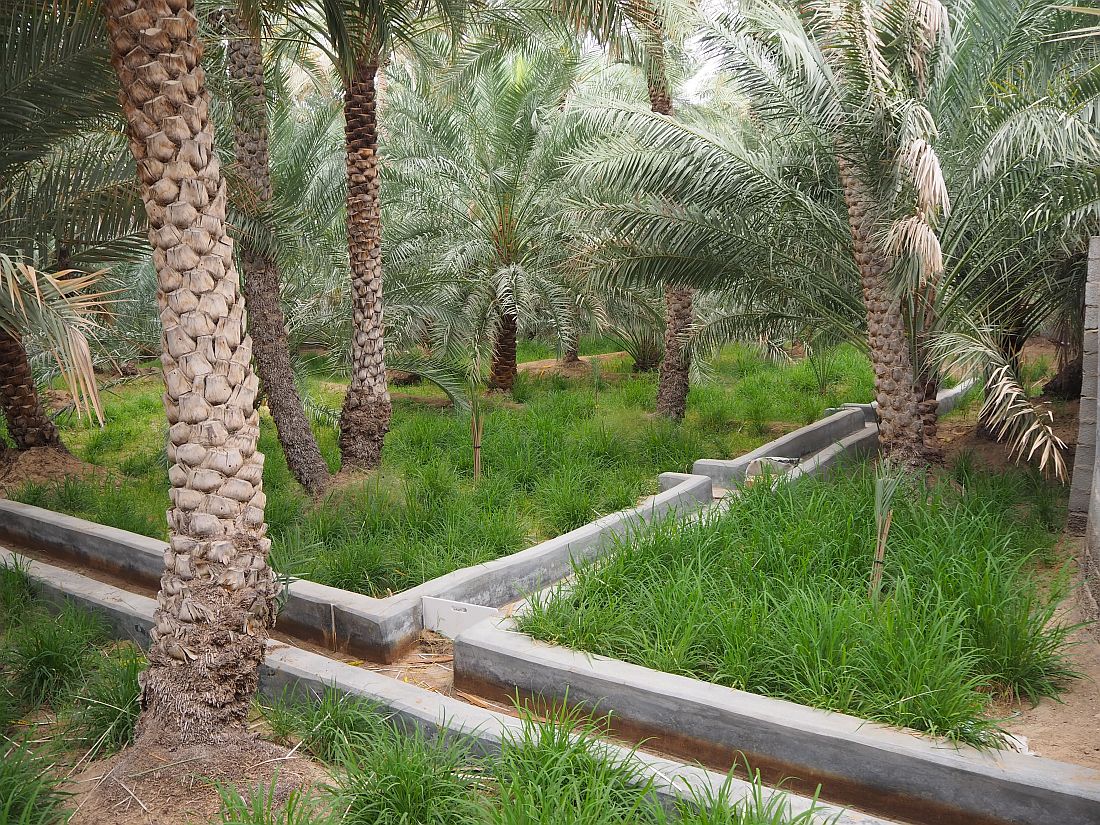
Al Ain Oasis
This UNESCO World Heritage site features thousands of date palms and traditional irrigation systems, offering a shaded path through the city's agricultural heart.
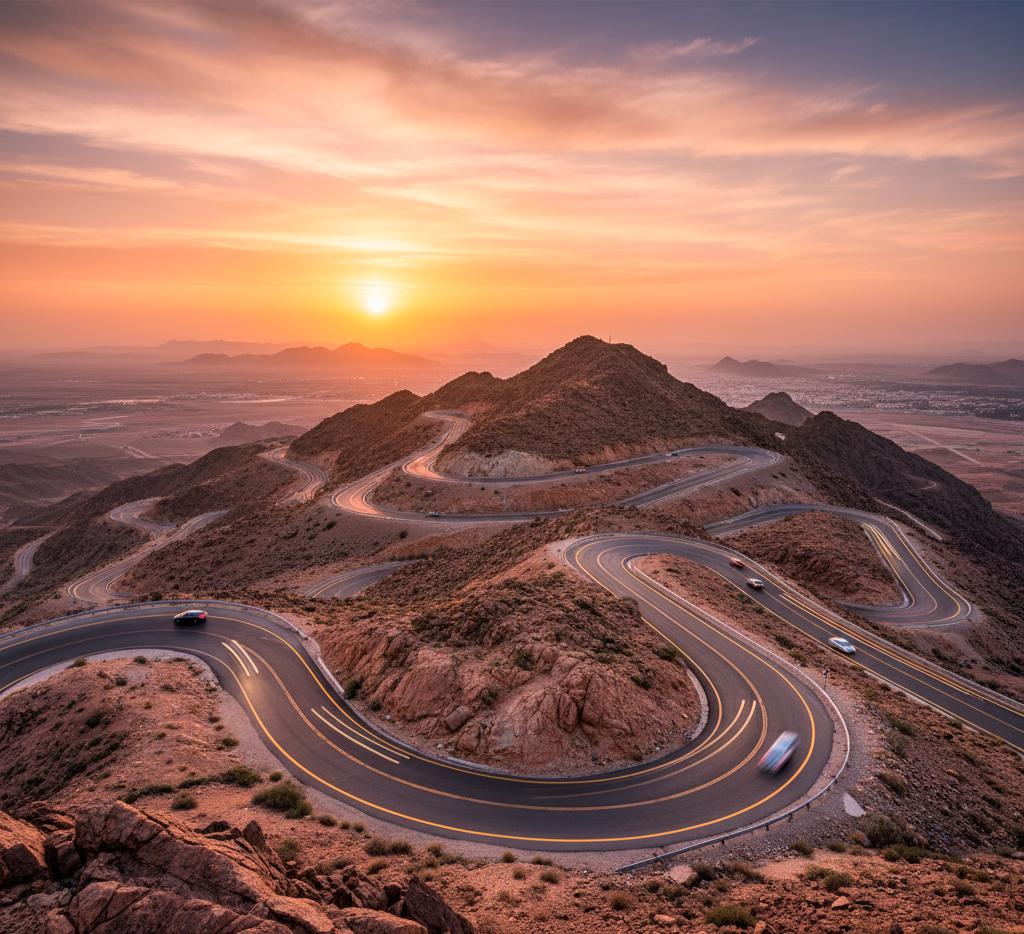
Jebel Hafit
As the highest peak in the emirate, this mountain offers panoramic views of the desert landscape and is a logical conclusion to a day of regional sightseeing.
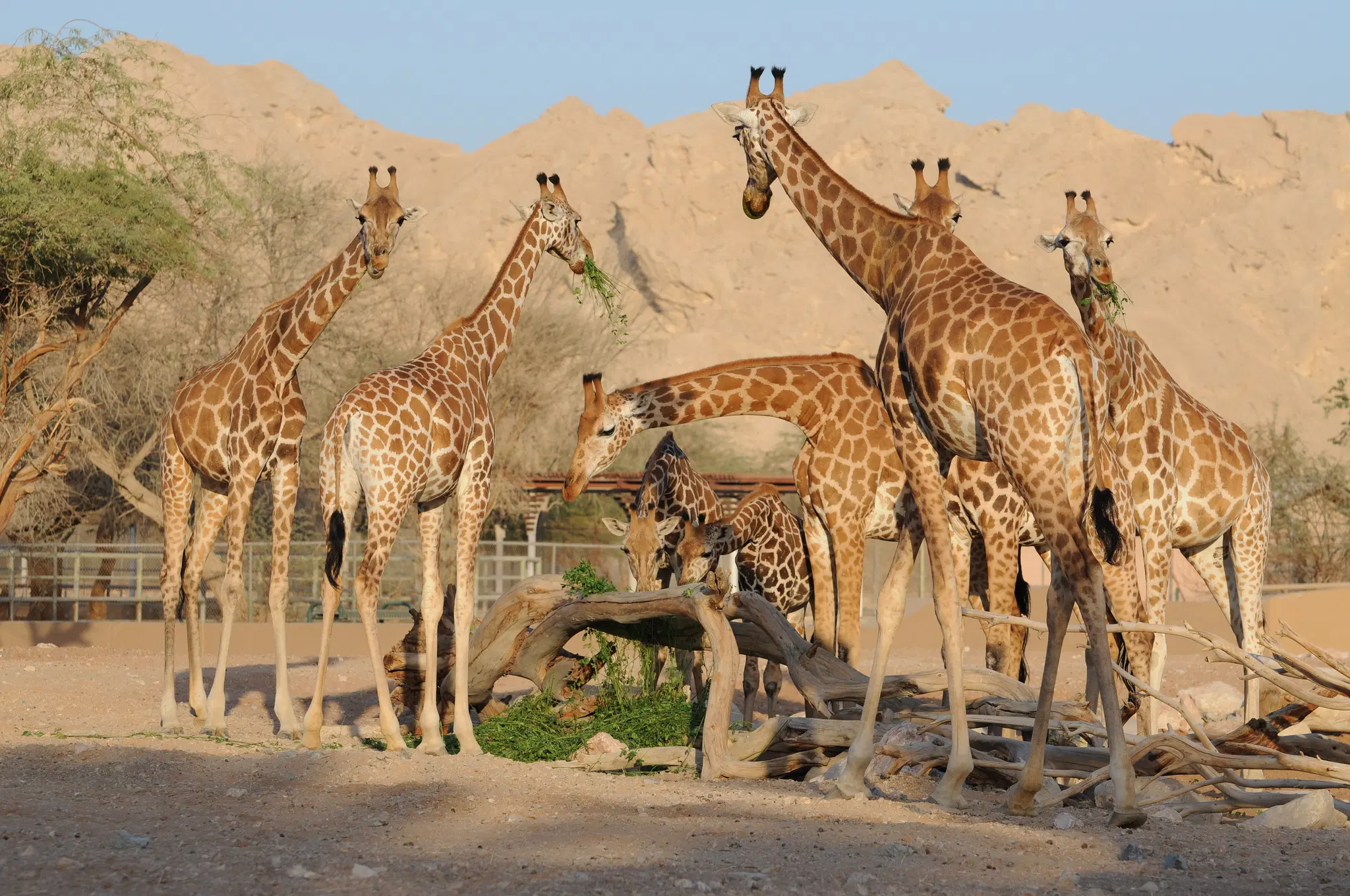
Al Ain Zoo
Located near the base of Jebel Hafit, this facility focuses on conservation and desert species, making it a suitable stop for those interested in regional wildlife.
Check availability
Frequently asked questions about al ain distance from abu dhabi
Everything you need to know about al ain distance from abu dhabi